Two stories, shared interests
An Indian prince is a hero of Georgia's national epic. A Georgian queen's relics lay in Goa for nearly four centuries. India and Georgia read the war in Ukraine differently, and a partnership between them is stronger for saying so plainly. Beneath that difference lie a shared commitment to sovereignty and interests that fit together.
The two cultures met long before the two states did
Georgia knows India better than India knows Georgia. The connection runs through an epic, a book of fables, a martyred queen, and two golden ages that shared a century.
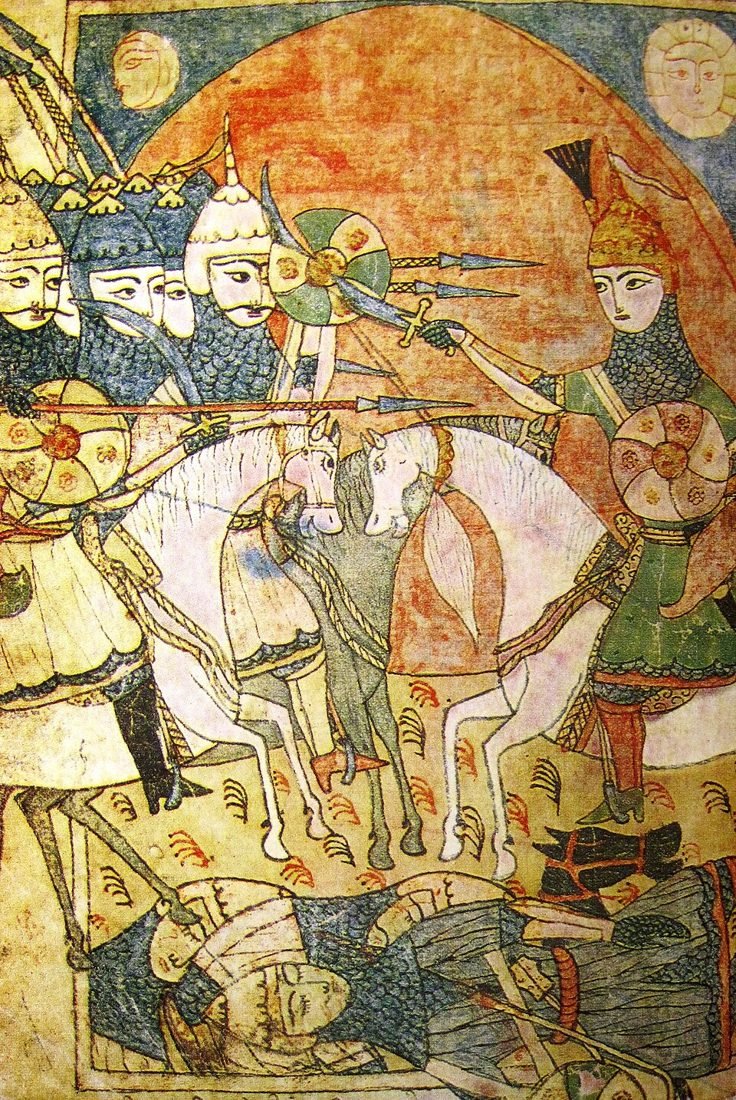
An Indian prince in Georgia's national epic
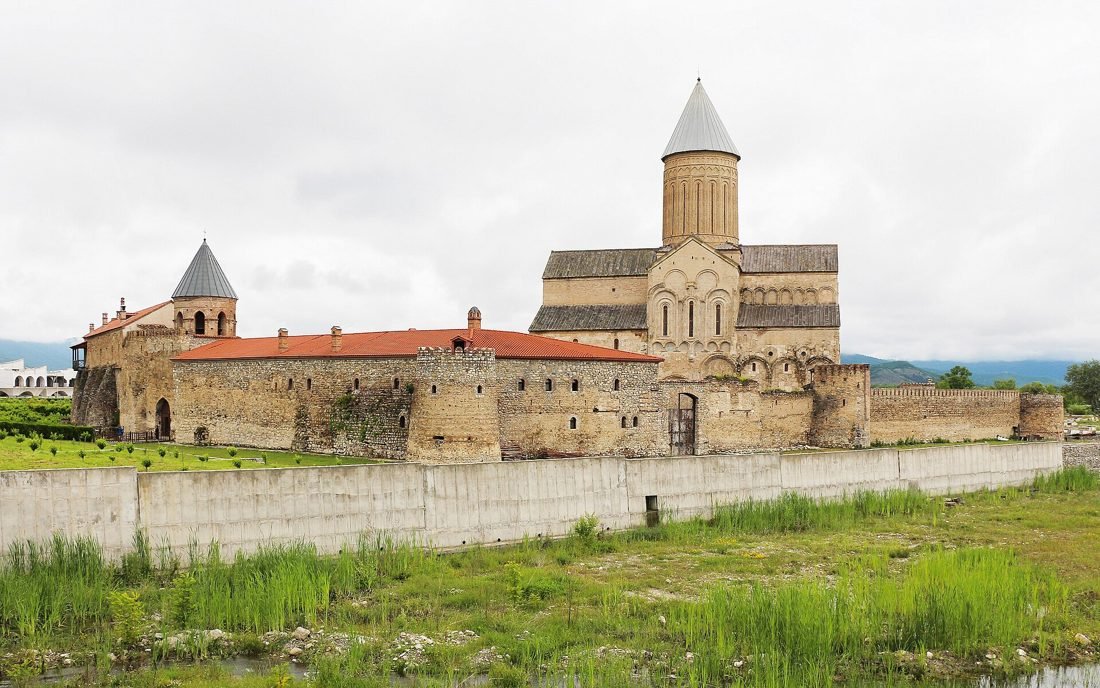
Shota Rustaveli wrote The Knight in the Panther's Skin around 1200, in the golden age of Queen Tamar. Its hero Tariel is a prince of India who loses his beloved Nestan-Darejan and wanders the world in a panther's skin until friends from Arabia help him win her back. Georgian children learn its verses by heart; for eight centuries, the most famous Indian in Georgia has been a character in its greatest poem.
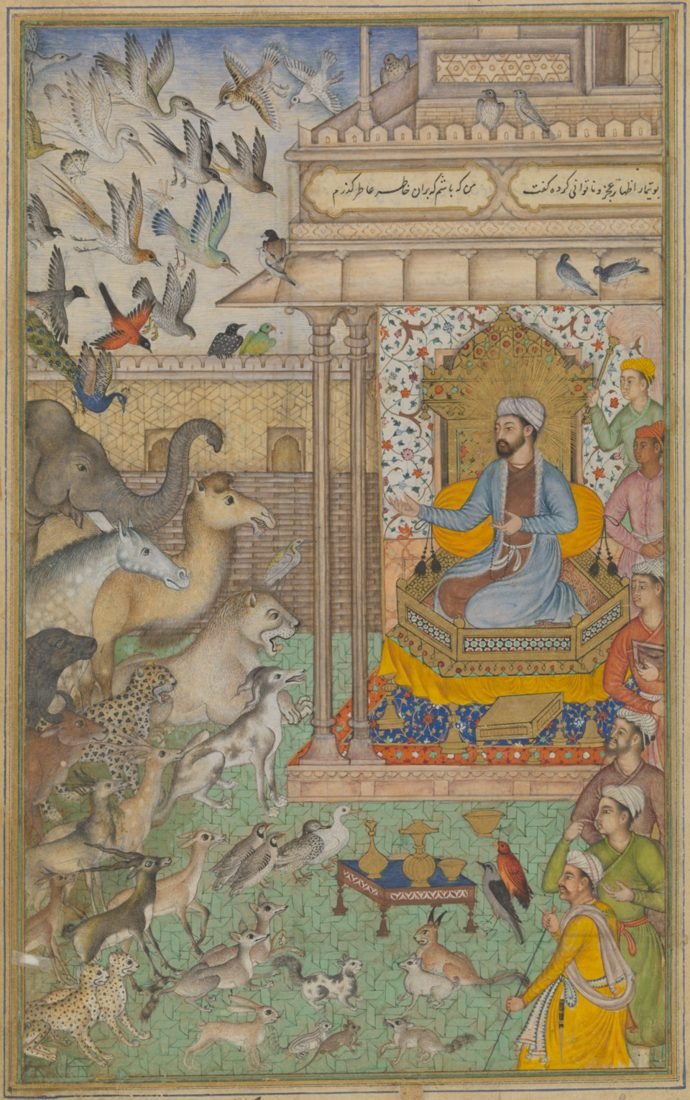
A book of fables that walked across Asia
The Panchatantra, India's book of animal fables on statecraft, was carried into Middle Persian in the sixth century and into Arabic as Kalila wa Dimna. Its Persian retelling, the Anvar-i Suhayli, was painted for the Mughal court. In the early eighteenth century King Vakhtang VI and Sulkhan-Saba Orbeliani brought it into Georgian as Kilila da Damana, and Indian tales entered Georgian folklore.
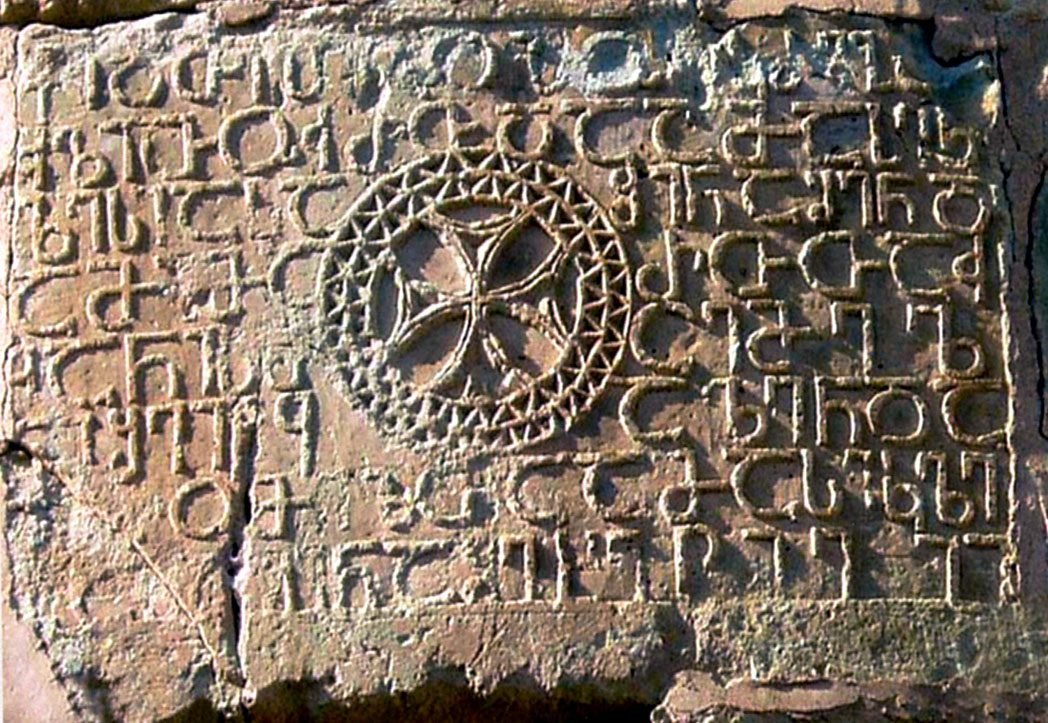
The same decades, two classical ages
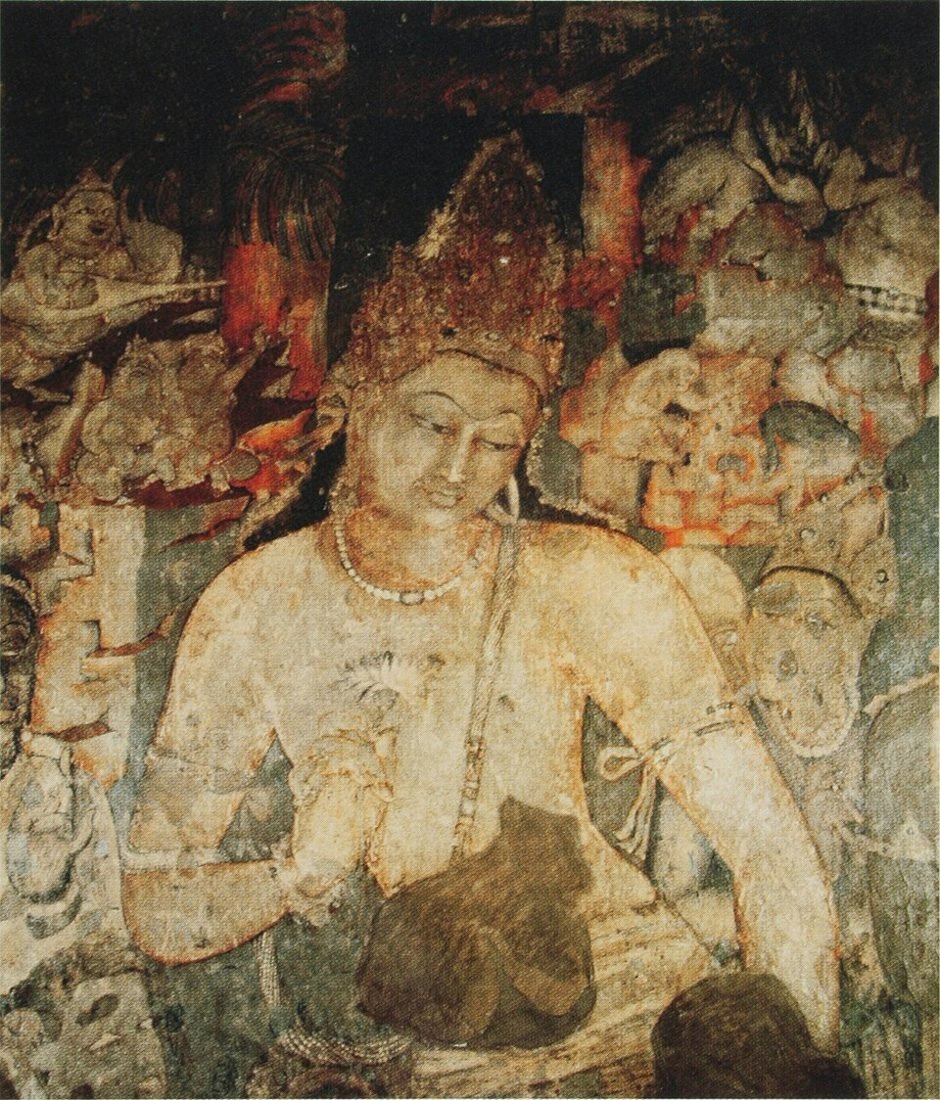
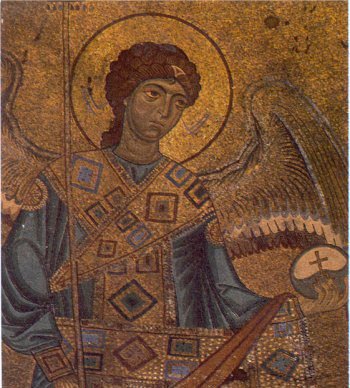
In the late fifth century, painters at Ajanta were finishing the murals of Cave 1, among them the Padmapani above. In the same years, masons at Bolnisi cut one of the oldest dated inscriptions in the Georgian alphabet. Six centuries later, the mosaics of Gelati marked Georgia's golden age, the age of Rustaveli and Queen Tamar.
Three routes from India to Georgia's Black Sea coast
Georgia sits where the Middle Corridor from Central Asia reaches the Black Sea, and where a north–south route from the Persian Gulf could end. For India it is a door to Europe that does not run through Pakistan.
Routes are schematic. India shown with the boundary as officially depicted by the Government of India; Crimea shown as Ukraine.
About a fifth of Georgia's territory is under Russian occupation. India has never recognised Abkhazia or the Tskhinvali region as states.
India and Georgia drawn at the same scale.
A relationship that runs on people more than on trade
Trade is modest and tilted towards India. The weight of the relationship lies in students, visitors and investment.
India's exports doubled in four years; imports from Georgia fell by more than half
US$ million, Indian fiscal years. India → Georgia Georgia → India Total above each bar.
Source: MEA India–Georgia Bilateral Brief, July 2026 (DGCI&S, DGFT). Georgian statistics for calendar 2024: exports to India about $29m, imports from India about $104m.
India sells Georgia
- Medicines (largest, ~$28m in 2024)
- Vehicle parts
- Machinery
- Electrical equipment
- Plastics, meat, tobacco
Georgia sells India
- Fertilisers (~$22m in 2024)
- Inorganic chemicals
- Precious-metal compounds
- Copper, lead
A young giant and an ageing, richer small nation
India has 372 people for every Georgian. A Georgian earns 3.6 times as much as an Indian at market exchange rates. Their age structures, incomes and sectors point to where each can supply what the other lacks.
Two age pyramids
Share of total population by five-year age band, 2025. Same scale for both.
Georgia carries more than twice India's share of people over 65. Its demand for health care, medicines and care workers will rise; India has the young workforce, the generic medicines and, increasingly, doctors trained in Georgia itself.
Income per person, 2025
GDP per capita, current US$, at market rates and at purchasing-power parity.
A Georgian is 3.6 times richer at market rates and 2.5 times richer in purchasing power. India's economy is $3.96 tn against Georgia's $38.1 bn; both grew about 7.6% and 7.5% in 2025.
Where output and jobs sit
Share of GDP and of employment. Agriculture Industry Services
In Georgia 34% of workers produce 5% of output on the land; in India 42% produce 16%. Both farm sectors hold large, low-productivity workforces, which makes agriculture the first place to cooperate, not the last.
From Georgia to India: agriculture and minerals
Each line sets Georgia's capacity (its exports to the world) against India's demand (its imports from the world), with what already moves between them. Only where both bars are long and the third column is short is there an opening.
Fertiliser: India's need, Georgia's route
India produced 46.5 million tonnes of fertiliser in 2024–25 against demand of 64.9 million, and imported 16 million tonnes to close the gap. About 70% of its urea imports come from Oman, Saudi Arabia, Qatar and the UAE, and Saudi Arabia alone supplies over 40% of its DAP. Much of that passes through the Strait of Hormuz, now effectively closed; IFFCO estimates that 30–40% of India's nitrogen supply moves through it.
Georgian nitrogen does not. Ammonium nitrate from Rustavi Azot reaches India from the Black Sea through the Bosporus and Suez, outside the Gulf entirely. India is already Georgia's second-largest buyer after Peru, and Georgia already supplies about 26% of India's ammonium nitrate imports.
The opening: a multi-year offtake agreement between Indian fertiliser and explosives buyers and Georgia's producer, priced as resilience, not only as tonnage. The Red Sea leg carries its own risk, but a second sea lane is the point.
Down To Earth, "Forever dependent on fertiliser", April 2026; UN Comtrade 2024.
Georgia already supplies about a quarter of India's ammonium nitrate imports. It also serves mining explosives.
Now mostly Georgian-mined (RMG Gold): imports for re-export fell to $17m in 2024 while exports reached $237m, to China and Bulgaria. India's refiners are an untried buyer.
India's 150% basic duty keeps the market small, and EU wine is set to gain preference under the India–EU FTA.
Georgian brandy is a premium niche; India's wider spirits imports run to $562m.
A premium hospitality product; India's imports are small today.
Georgia is one of the world's leading hazelnut exporters, but India buys only $2.6m; its confectionery makers are the demand to build.
Fresh fruit needs an agreed phytosanitary protocol before it can move.
As above; berries and kiwi are the candidates.
Why copper fell, and why it is not on this list
Georgia's copper exports were mostly a blending and transit trade, not Georgian mining. In 2022 Georgia imported $775m of copper concentrate, from Armenia ($403m), Chile, Indonesia, Serbia and Brazil, and shipped $1,024m on to China ($583m) and Bulgaria ($401m). When those inflows dried up, exports followed. Georgia's own copper mine at Madneuli (RMG Copper) is small; in 2018 its copper sales were 35.8 million lari, against more than half a billion dollars of copper exports, most of them re-exports.
Georgia, copper ores and concentrates (HS 2603). UN Comtrade; FactCheck Georgia, April 2024; Forbes Georgia, January 2020.
UN Comtrade, 2024: Georgia's reported exports, India's reported imports; the "now" column takes the larger of the two countries' reports of their mutual trade. Bars on a logarithmic scale. Ammonium nitrate: India's imports from Georgia equal about 26% of its ammonium nitrate imports.
Land and mine
- Scale up ammonium nitrate on long-term supply contracts with Indian fertiliser and explosives buyers.
- Route Georgian gold and precious-metal concentrates to Indian refiners.
- Sell hazelnuts to India's chocolate and confectionery makers.
- Win wine, brandy and Borjomi a tariff path in an FTA before EU wine gains preference.
- Agree a plant-health protocol for mandarins and fresh fruit.
- Bring Indian farm technology: drip irrigation, seed and the digital farm stack, to Georgia's 34% farm workforce.
Factory and plant
- Indian pharmaceutical packaging and distribution in Georgia's free zones, serving the South Caucasus.
- Indian investment in food processing: hazelnut processing, wineries, juice and bottling, with output aimed at India.
- Hydropower and transmission, building on Tata Power at Shuakhevi.
People and services
- Medical education under a joint recognition compact.
- Health care for an ageing Georgia: Indian hospital chains, nurses and diagnostics.
- Tourism, weddings and film, with flights restored.
- Indian IT delivery centres in Tbilisi serving European clients.
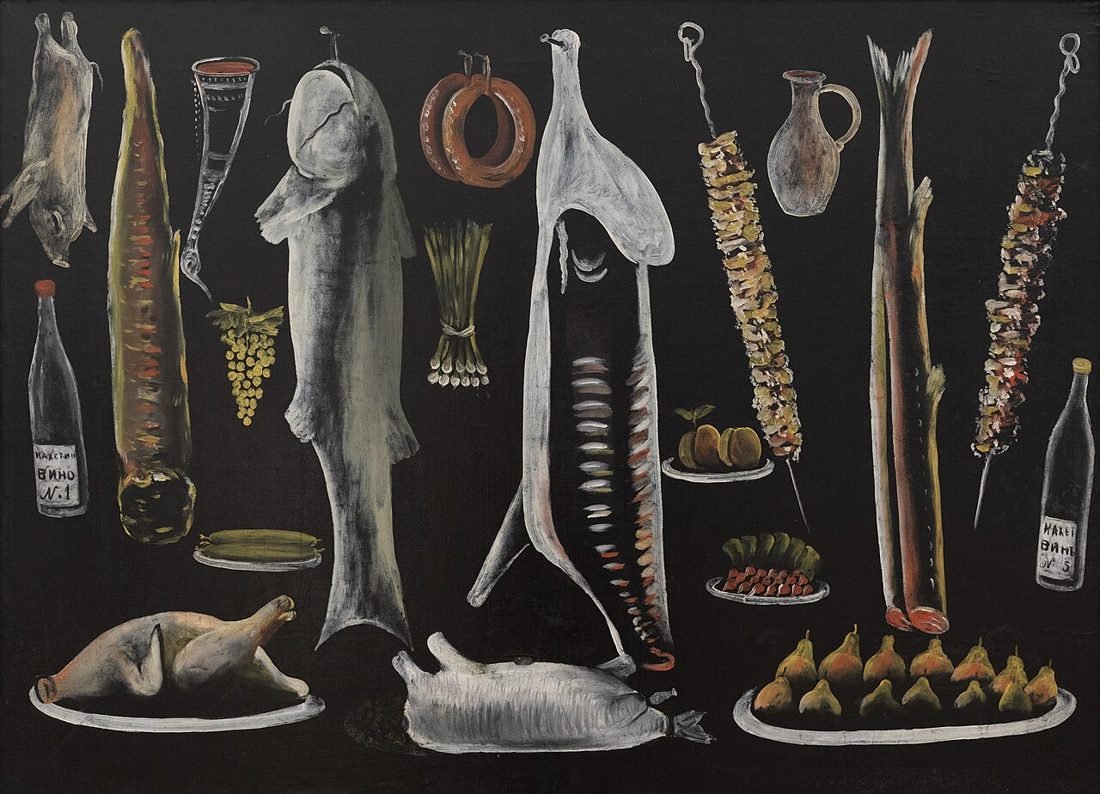
Each country's foreign policy is the sum of what it has survived
Georgia reads Russia through 1801, 1921 and 2008. India reads Russia through 1971. The gold rows are the moments the two stories meet.
Different needs that fit together
Three principles both countries hold, five places where their needs meet, and three differences that are named rather than hidden.
Territorial integrity
India has never recognised Abkhazia or the Tskhinvali region. Its own frontiers make sovereignty a first principle.
No spheres of influence
Georgia rejects being Russia's "near abroad". India rejects being drafted into any camp. A nation's alignments are its own to choose.
Queen Ketevan
Georgia asked; India searched for decades, verified the relics by DNA and returned them. A symbol of dignity under coercion.
Russia and Ukraine
Georgia sees 2008 in Ukraine. India sees decades of Russian support and Western double standards.
How to hold it: India's ties with Russia are not directed against Georgia; Georgia's ties with Europe are not directed against India.
Türkiye, Azerbaijan, Armenia
Ankara and Baku backed Pakistan in May 2025; India arms Armenia. Georgia's pipelines and railway run through Azerbaijan and Türkiye.
How to hold it: India seeks a Georgia open to India, never one closed to its neighbours.
China
Georgia signed a strategic partnership with China in 2023; a Chinese consortium was chosen for Anaklia port in 2024.
How to hold it: India offers a better alternative instead of asking Georgia to refuse Chinese capital.
Six ways to carry the relationship
None of them asks either country to change its position on Russia.
A dialogue of understanding
An annual track-two dialogue on the hard subjects; translations; a renewed cultural agreement.
A signal on sovereignty
A joint statement on territorial integrity; an Indian explanation of vote at the UN.
IGC and FTA talks
Reconvene the Inter-Governmental Commission, idle since 2017, and open negotiations in 2027.
A pharmaceutical corridor
Fast-track registration for GMP-certified Indian plants; regional distribution from Georgia's free zones.
A medical-education compact
One jointly published list of programmes that meet India's rules for foreign medical graduates.
Black Sea links
A pilot container service to Poti; flights restored; a tourism and film programme.
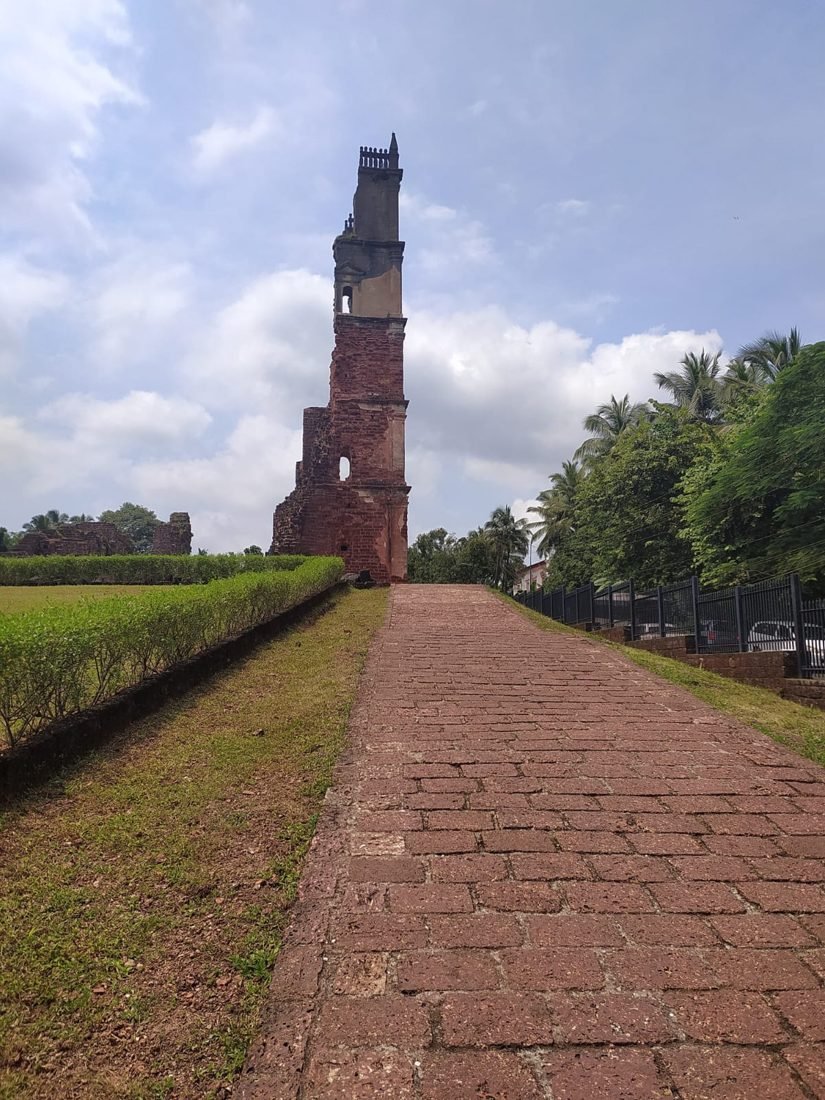
Between Kakheti and Goa
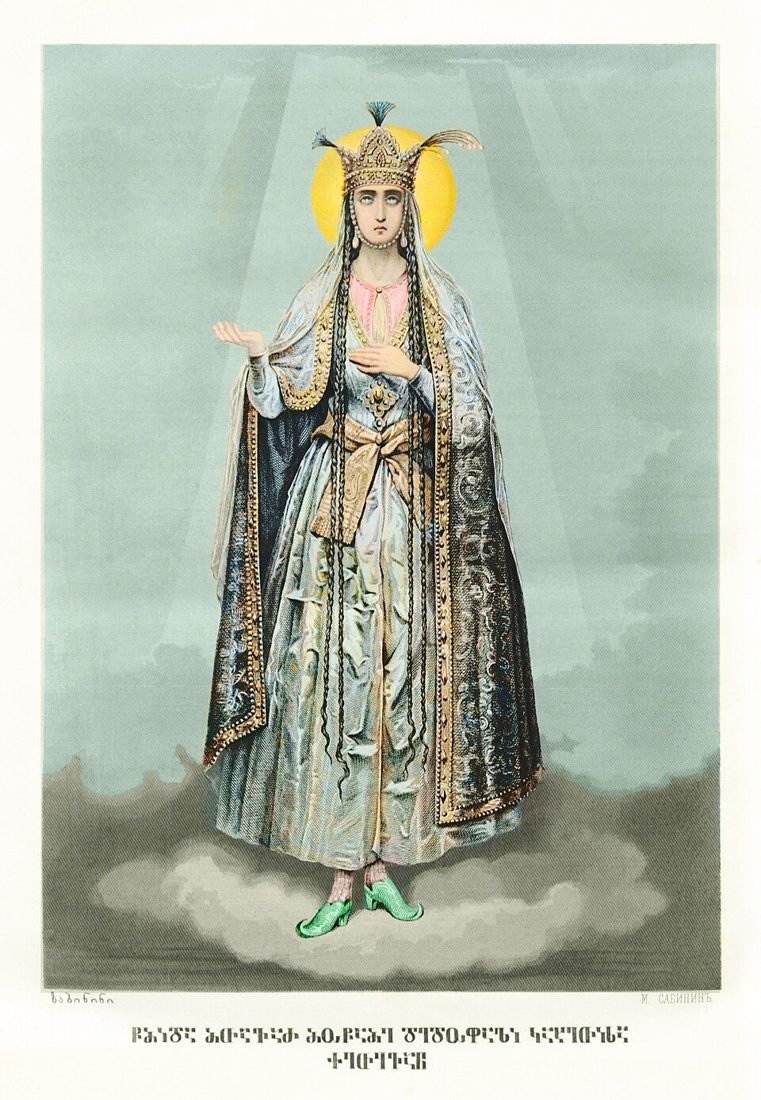
A small nation remembered and asked. A large one listened, searched for decades, and gave back a symbol of dignity under coercion.
- 1624Queen Ketevan of Kakheti is killed in Shiraz on the orders of Shah Abbas I after refusing to renounce her faith.
- 1627Portuguese Augustinian friars carry part of her relics to their church in Old Goa.
- 1980sGeorgian historians and the Georgian Church ask India to search for them.
- 2005Indian and Georgian researchers identify the remains in the church ruins from Portuguese records.
- 2014DNA analysis in Hyderabad finds a maternal lineage rare in India and present in Georgia.
- 2017The relics travel to Georgia for six months; crowds come to venerate them.
- 2021Dr S. Jaishankar hands over a part of the relics in Tbilisi.